Voices from Africa

Government and communities share learnings on nature-based solutions for sustainable development, climate and biodiversity.

The development and adoption of the Kunming-Montreal Global Biodiversity Framework (GBF) as part of the Convention of Biological Diversity (CBD) requires countries to revise their National Biodiversity Strategy and Action Plans (NBSAPs).

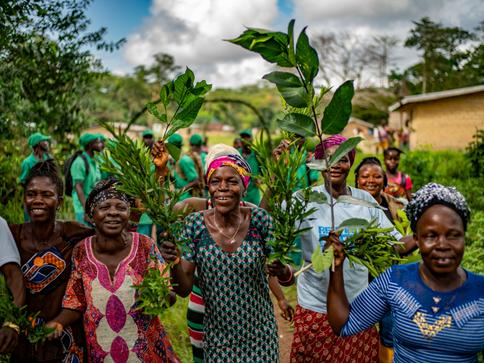
Against this backdrop, Conservation South Africa (CSA) in partnership with Conservation International (CI) Liberia and Madagascar, convened diverse stakeholders, including civil society, the private sector, policymakers, and local communities to share learnings on community-led nature-based solutions in rural communities in Liberia, Madagascar and South Africa. Community members were empowered to communicate their messages directly to policymakers in each country. The learnings were shared with Sub-Saharan African countries to inform global policy negotiations under the CBD and the subsequent revision of NBSAPs.

The work, which was undertaken from 2021 to 2023, was financed by SwedBio, a programme for biodiversity and equitable development at the Stockholm Resilience Centre funded by the Swedish International Development Cooperation Agency (SIDA).

SwedBio works to advance sustainable and equitable governance of biodiversity knowledge and policy.
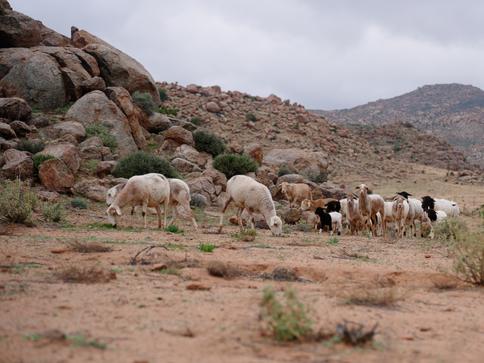
South Africa

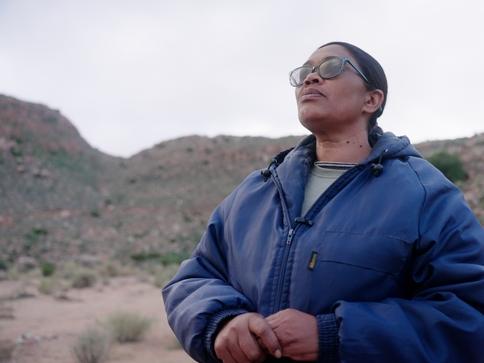
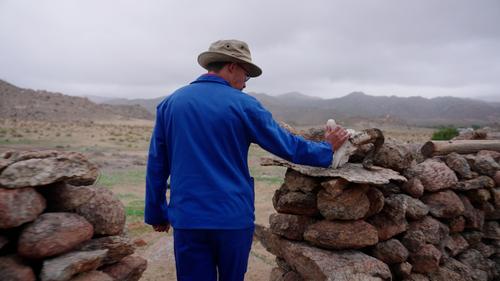
I grew up in Nouriver and, therefore, I am a child of these stones. Who played here among the stones, and grew up, and therefore, I see myself as a stone child.

Thurston Brandt

“I depend on nature, especially for the rainfall so that there is pasture for my livestock.”

Haarith Arnolds

“Water is an advantage for everything. To live. Man and animal.”

Anny Wildshutt

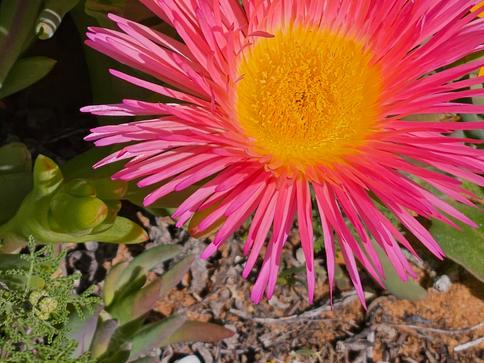
“We don't need machines to restore our land. We now mostly rely on a bird and the wind. What the wind brings against the gabion can lie there and become a plant.”

Rosy Fortuin

Videos

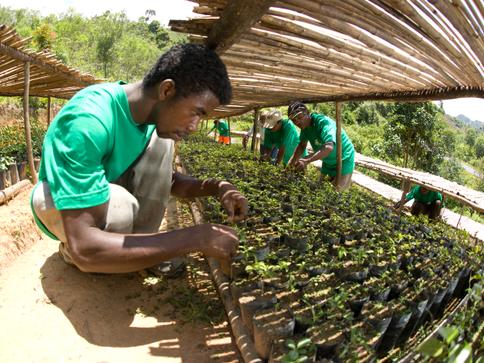
Madagascar

We must join hands to be able to go further.

As our ancestors used to say, "those who unite are a rock, while those who are separated are sand."

It is true that together we are stronger. It is encouraging to see that it is no longer only organisations dedicated to the environment and its conservation, but also various actors and stakeholders, who now contribute in their own way to nature conservation; significant impacts have been observed.

Videos

Liberia

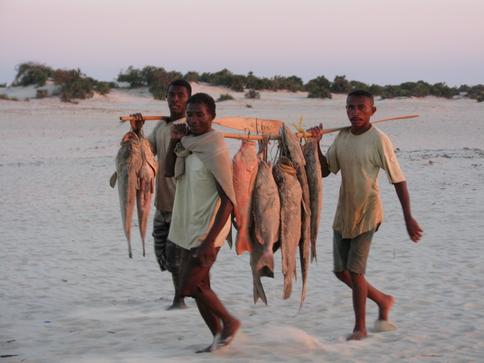
It is essential to integrate gender considerations into adaptation measures and policies, recognizing and leveraging the distinct skill sets and roles of men, women, and youth in fisheries.

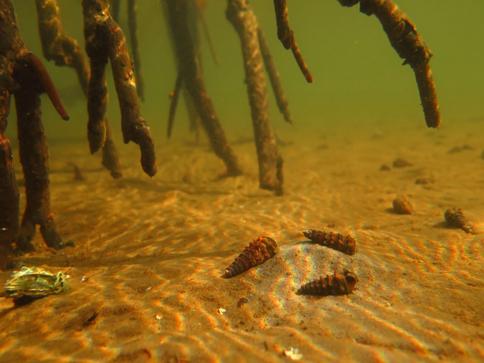
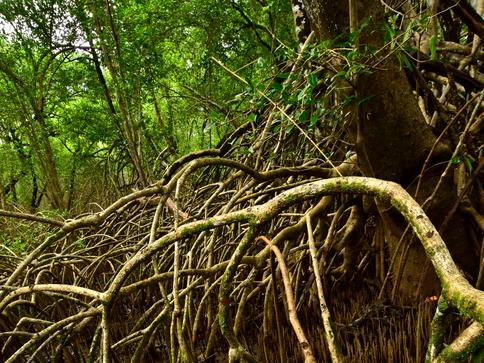
Protecting and restoring mangroves can also contribute to mitigating plastic pollution in coastal ecosystems.

Mangroves serve as important habitats and buffer zones that can trap and filter pollutants, including plastics, preventing them from entering marine environments.

Videos

South-southpolicy exchanges

Previous work between Conservation International and Swedbio includes a series of South-south policy exchanges in Costa Rica, held between 2018-2020. Participating policy makers from Liberia, Ghana, Angola, Uganda, and Rwanda learned about the function and rewards of innovative policies, the partnerships, institutional structures and financial mechanisms that Costa Rica has developed for implementing national conservation policies, as well as the role of the government in guiding this process. The experience of the Costa Rica exchange is a confirmation that it’s possible, with a vision, political commitment, and political action, to create a foundation for a country to benefit from nature.

Contact us

Caroline Rose
Climate and Freshwater Director
Conservation South Africa
crose@conservation.org

Peter Mulbah
Liberia Country Director
Conservation International
pmulbah@conservation.org

Luciano Andriamaro
Senior Director Science and Knowledge Madagascar
Conservation International
landriamaro@conservation.org