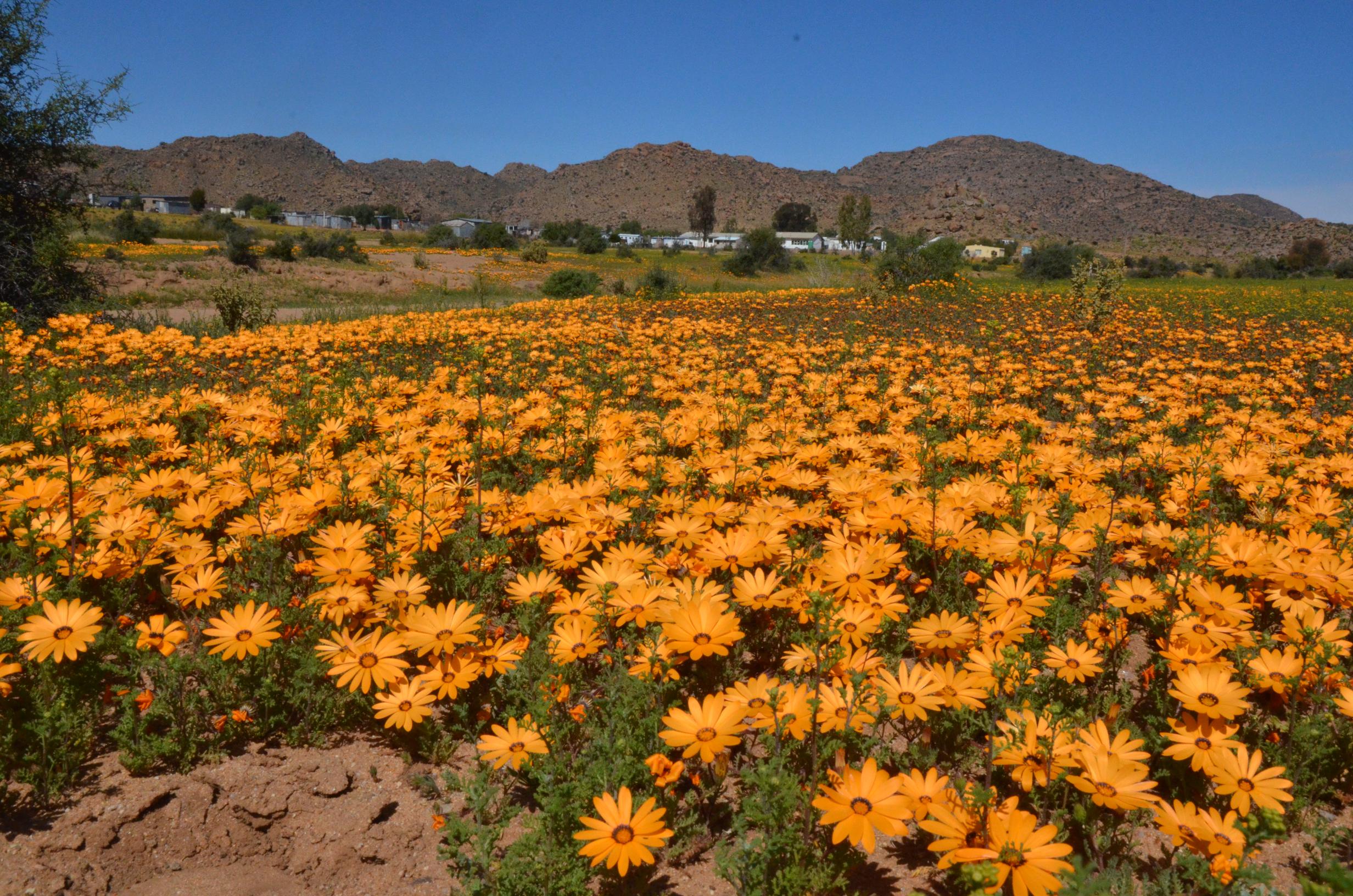
Rich, biodiverse ecosystems where hardy, drought-resistant vegetation create a tapestry of resilience and beauty
Characterised by its arid desert plains, rugged mountains, and vibrant floral displays, Namaqualand contains a rich diversity of endemic succulent plants and resilient shrubs that have adapted to survive the harsh desert conditions.
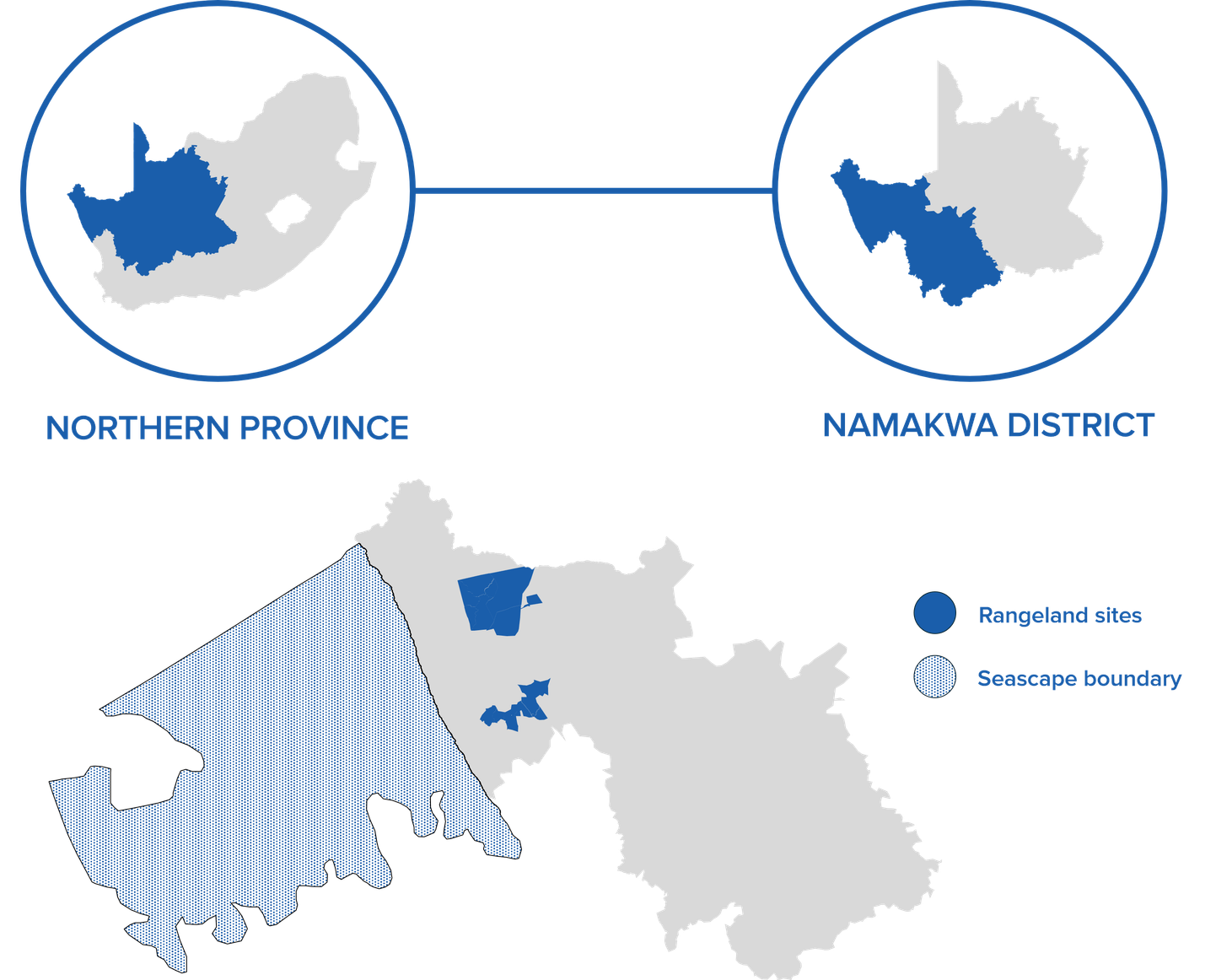
The Namakwa demonstration sites, situated in South Africa's Northern Cape province, are renowned for their diverse arid-adapted flora, influenced by the oceanic climate influence and unique geology. This makes Namakwa a key global biodiversity hotspot. The Benguela upwelling system, vital for regional marine life and fisheries, is marked by distinctive oceanographic conditions and is driven by strong winds that bring nutrient-rich waters from the depths, cooling the local climate and moderating the coastal weather.
Water scarcity in Namakwa is a challenge due to low winter rainfall and extreme aridity, making the land unsuitable for crops. Consequently, the local economy relies on livestock and coastal fishing. Over a million hectares of semi-arid rangelands are facing threats from overgrazing, mining, renewable energy projects, and climate change, leading to soil erosion post-storms due to the slow recovery of vegetation.
Read more from our Vulnerability Assessment.
Where we work
Our impact
118 649
hectares
under improved management
1429
NATURE-POSITIVE JOBS
created to date
1529
WOMEN
trained in rangeland management
On the ground
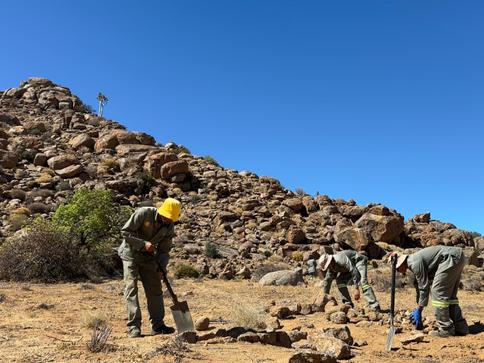
Soil restoration using low-cost and low-technology techniques
Semi-arid rangelands are particularly susceptible to soil erosion due to the aridity, slow growth of and sparseness of vegetation, and the legacy of historically overgrazed areas that have not recovered. Restoration activities have mainly focused on controlling and reversing sheet and gully erosion using soil stabilization techniques, particularly stone gabions, micro-pond catchments and brush-packing.
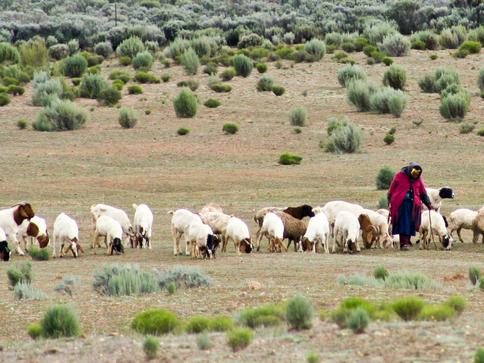
Climate resilient, indigenous livestock breeds
Farming with small stock (sheep and goats) provides an essential means of income through wool and meat production in developing countries that are affected by climate change, like South Africa. Historically, farmers relied on the 'dorper' breed of sheep, which struggled to adapt to the local climate and terrain. As a result, farmers are transitioning to using climate resilient and indigenous breeds, such as the Afrino, Meatmaster, Namaqua Afrikaner and Damara sheep. These breeds are better adapted to tolerate the extreme temperatures and parasites common to the area.
Making a splash
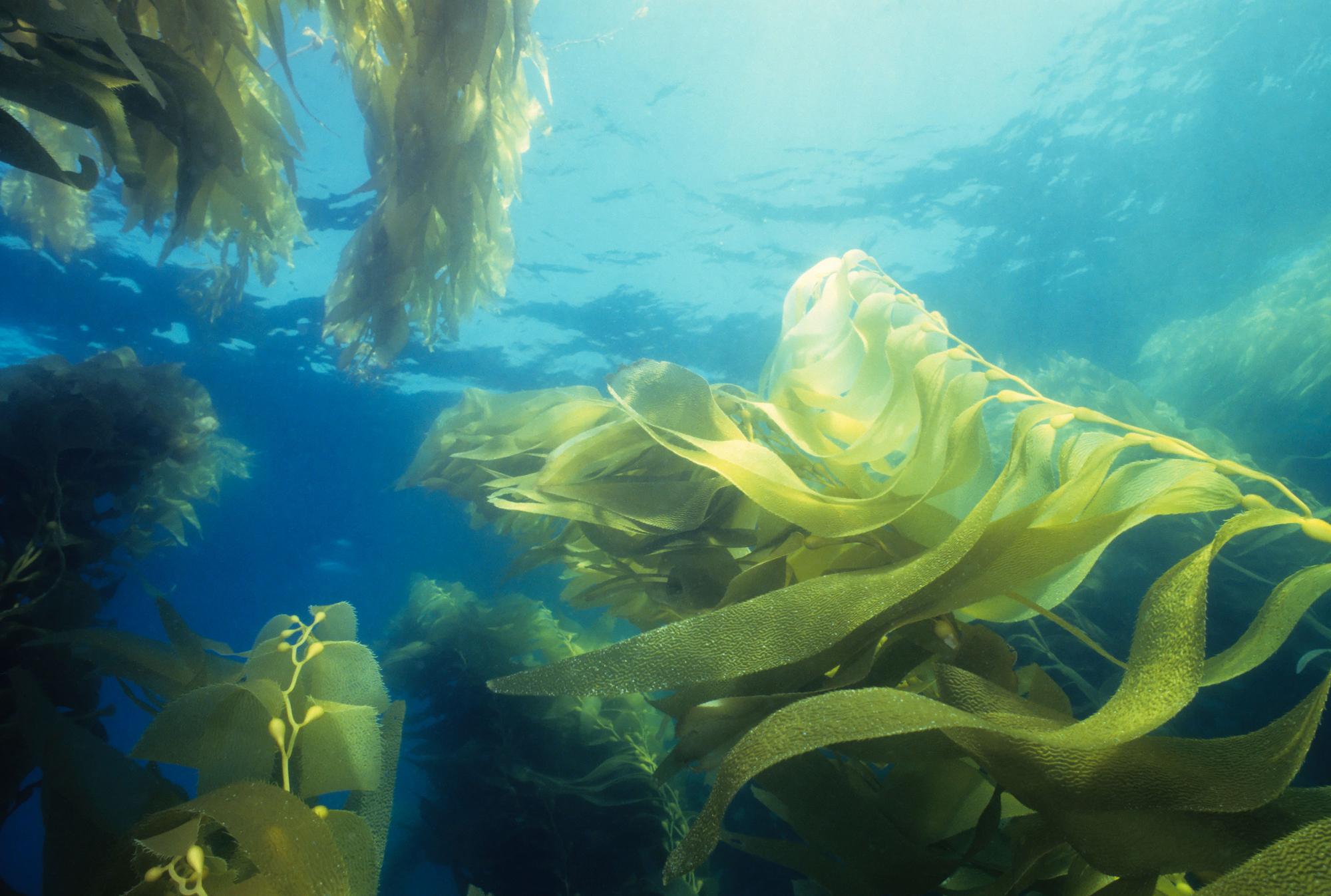
We are developing South Africa’s first seascape along the Namakwa coastline in the unique Benguela Current. Through a catalytic investment that builds on existing relationships and a wide body of knowledge, we will work closely with scientists, local fisher communities, local government and the private sector to integrate climate change into the vision and planning for the development of a West Coast Seascape.
Resources
Videos
Contact us
Namakwa Office
89 Apie Visser Street
Springbok
Northern Cape 8240
South Africa
Phone: +27 27 718 1565